
Overview
What is Opioids?
Common and street names
opiates · painkillers · opioid medicines
Drug category
Drug family
Forms and appearance
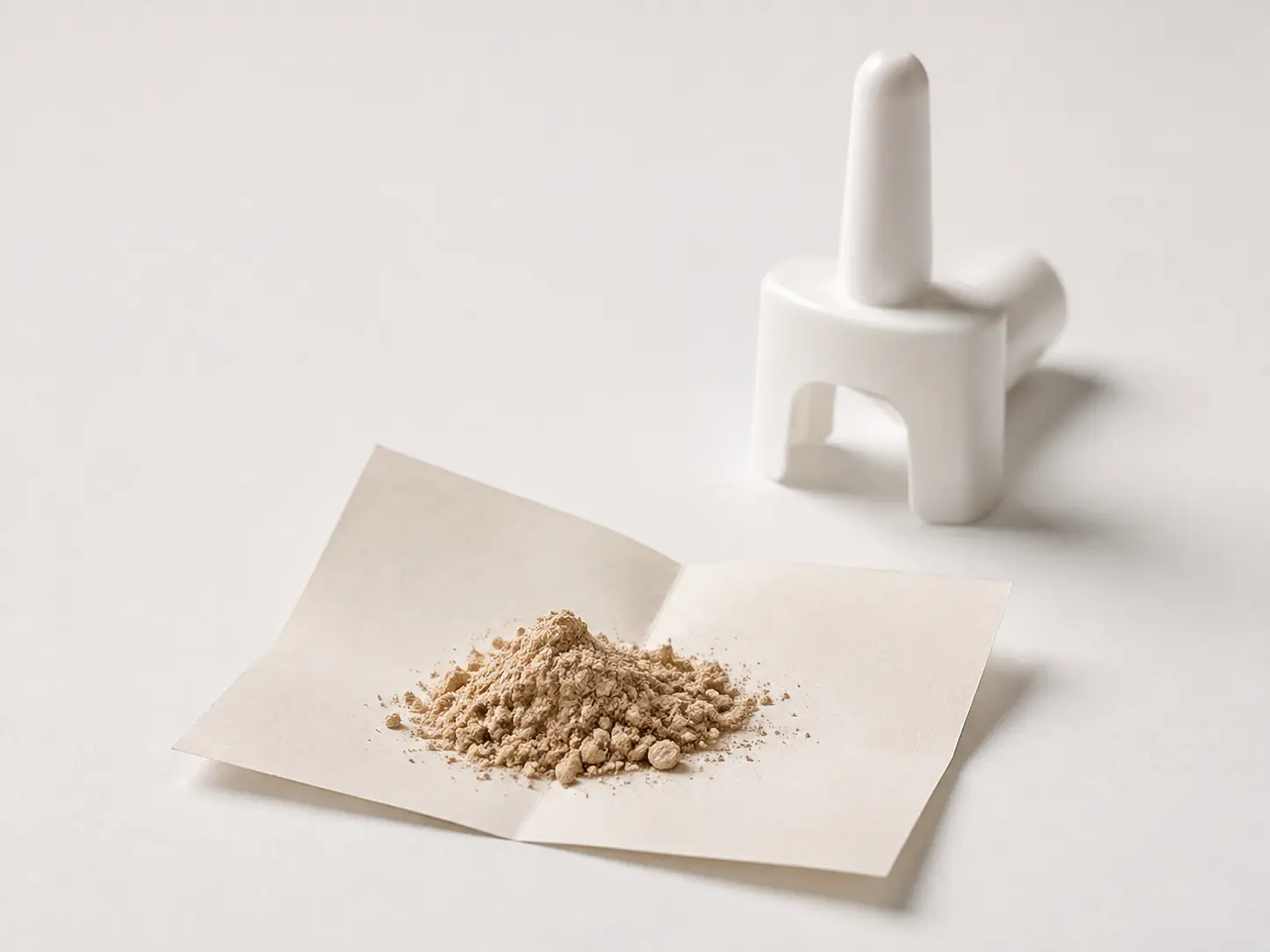
Opioids include powders, tablets, patches, liquids and prescribed formulations. The family is chemically and legally diverse.
How it is commonly used
Routes depend on the specific opioid and formulation. Using a medicine in a route it was not designed for can change absorption and risk.
Brain & body
How Opioids affects signalling and behaviour
Many opioids activate mu-opioid receptors involved in pain, reward and breathing. The same pharmacology that can reduce pain can also suppress respiration, especially with high exposure or other depressants.
Explore reward, cues, craving, stress, tolerance and neuroplasticity without a simplistic “hijacked brain” model.
Effects & risks
What people may experience — and what can go wrong
Commonly reported effects
- Pain relief
- Sedation
- Euphoria or relief
- Constipation and slowed breathing
Short-term risks
- Respiratory depression and overdose
- Loss of consciousness and aspiration
- Unpredictable potency
- Higher risk when mixed with sedatives
Longer-term risks
- Tolerance and dependence
- Overdose after tolerance loss
- Constipation and endocrine effects with some long-term use
- Social and health harms shaped by access, supply and treatment
Mental-health effects
Opioid use can become closely linked with trauma, pain, stress, sleep and emotional regulation. Assessment should explore the function of use as well as frequency and quantity.
Dependence, tolerance & withdrawal
Repeated use can change the pattern
Dependence can be treated. Methadone and buprenorphine are evidence-based opioid agonist treatments in the UK, alongside psychosocial and practical support. Goals should be individualised.
Mixing drugs
Interaction risks to know
Opioids + benzodiazepines: particularly high overdose risk.
Opioids + alcohol or GHB/GBL: additive sedation and respiratory depression.
Multiple opioid products can unintentionally stack exposure.
The absence of a recorded interaction does not mean that a combination is safe. Strength, dose, health, tolerance, contamination and other substances can alter risk.
Check another combinationHarm reduction
Practical ways to reduce risk
Carry naloxone and learn to recognise opioid overdose.
Avoid mixing opioids with alcohol or other sedatives.
After any period of abstinence, assume tolerance has fallen.
Seek treatment without waiting for use to become 'severe enough'.
Harm reduction can reduce some risks; it cannot make an unregulated drug, dose or combination risk-free.
Emergency
When to call 999
- Unresponsive or cannot be woken
- Abnormal or absent breathing
- Blue/grey lips or skin
- Suspected opioid overdose: call 999 and give naloxone if available
Treatment & support
Help does not require one fixed recovery goal
UK drug and alcohol services can assess physical health, mental health, dependence, risk, housing and support needs, then agree a plan with the person. Goals may include immediate harm reduction, stabilisation, reduction or stopping use.
Dependence can be treated. Methadone and buprenorphine are evidence-based opioid agonist treatments in the UK, alongside psychosocial and practical support. Goals should be individualised.
Brief history
How we got here
Humans have used opium for millennia. Morphine, heroin and later synthetic opioids changed medicine and illicit markets; modern UK practice combines pain medicine controls with evidence-based opioid-dependence treatment and naloxone provision.
Read the history guideKey facts & misconceptions
Three useful corrections
Prescription status does not remove opioid overdose risk.
Dependence is treatable and is not a failure of willpower.
Naloxone does not encourage drug use; it reverses opioid effects temporarily.
Frequently asked questions
Quick answers
What type of drug is Opioids?
Opioids is described here as drug family. Some drugs cross categories, and mixtures may contain more than one drug type.
Can Opioids be identified by appearance?
No. Appearance, packaging, a logo or colour cannot reliably establish identity, strength or contamination.
When should I call 999?
Call 999 for a suspected drug emergency, including reduced consciousness, abnormal breathing, seizure, severe chest pain or severe confusion. Unresponsive or cannot be woken
Evidence & governance
Sources and review
Responsible organisation: TD Consultancy
Published: 5 August 2026 · Last reviewed: 5 August 2026
Next formal review: February 2027, or earlier if material safety or legal information changes.
Evidence on illicit drug composition and emerging markets can change quickly. Legal status can be compound- and preparation-specific. Links below are prioritised to current official UK guidance.