
Overdose prevention
Risk can rise with unknown strength, mixing, using alone and a drop in tolerance. Opioids mixed with alcohol, benzodiazepines or gabapentinoids are especially concerning.
Practical action
Clear steps to reduce preventable harm — without judgement, false reassurance or requiring someone to be ready to stop using drugs.
Call 999 if someone is unconscious or cannot be woken, is not breathing normally, has a seizure, collapses, has severe chest pain, is dangerously overheated or is severely confused and at immediate risk. Tell the call handler what you know.
Suspected opioid overdose: call 999, give naloxone if available and follow the product instructions. Stay with the person.
Essentials
Risk can rise with unknown strength, mixing, using alone and a drop in tolerance. Opioids mixed with alcohol, benzodiazepines or gabapentinoids are especially concerning.
Naloxone can temporarily reverse opioid overdose. Call 999 as well: its effect can wear off before the opioid does and more than one dose may be needed according to the product instructions.
Tolerance can fall after a break, detoxification, hospital stay, prison release or a period of reduced use. Returning to a previously familiar amount can then be dangerous.
Appearance, packaging and a familiar seller do not confirm contents or strength. Unexpected synthetic opioids and other adulterants can change risk.
Where a recognised checking service is available it can add useful information, but no result guarantees purity, dose, identity throughout a sample or safety.
For people at opioid-overdose risk, having someone able to respond and access naloxone can shorten the time to emergency action.
Situation guides
Prioritise naloxone, avoiding depressant combinations, awareness of lowered tolerance and rapid response to slowed or abnormal breathing. Unexpected synthetic opioids can make strength especially uncertain.
Heavy sedation can become a medical emergency. Abrupt withdrawal after sustained heavy alcohol or benzodiazepine use can also be dangerous; seek clinical advice rather than attempting an unsupported sudden stop.
Multiple stimulants, long sessions, heat and sleep deprivation can increase cardiovascular strain, agitation and paranoia. Chest pain, seizure, collapse or dangerous overheating needs urgent assessment.
Hot environments and prolonged exertion can increase overheating risk. Both dehydration and excessive water intake can be dangerous. Severe heat, confusion, collapse or seizure is an emergency.
Products can vary substantially within and between batches. Severe agitation, confusion, chest pain, collapse or seizures warrant urgent medical help.
Avoid sharing mouthpieces where possible; burns and damaged equipment can add harm. Smoke can irritate lungs regardless of substance.
Use sterile equipment for every injection and do not share needles, syringes, spoons, filters or water. Local needle and syringe programmes can provide equipment and advice.
Blood-borne virus testing, vaccination where indicated, wound care, contraception and sexual-health services can all sit alongside drug treatment or harm reduction.
Reduce stimulation, move away from traffic, water or heights and stay calm. If someone is severely confused, violent through fear, suicidal or medically unwell, call 999.
Using less initially may reduce exposure to an unexpectedly strong product, but does not make a drug safe and cannot reliably detect uneven contamination.
Harm reduction and treatment are not competing choices. People can use naloxone, drug services, medical care and recovery support in whatever sequence fits their needs.
Explore treatment options →Specific risks depend on substance, strength, amount, route, tolerance, health, medicines and what else has been taken. This page provides education, not personalised medical clearance or dosing instructions.
Reviewed: 5 August 2026 · TD Training & Consultancy Ltd.
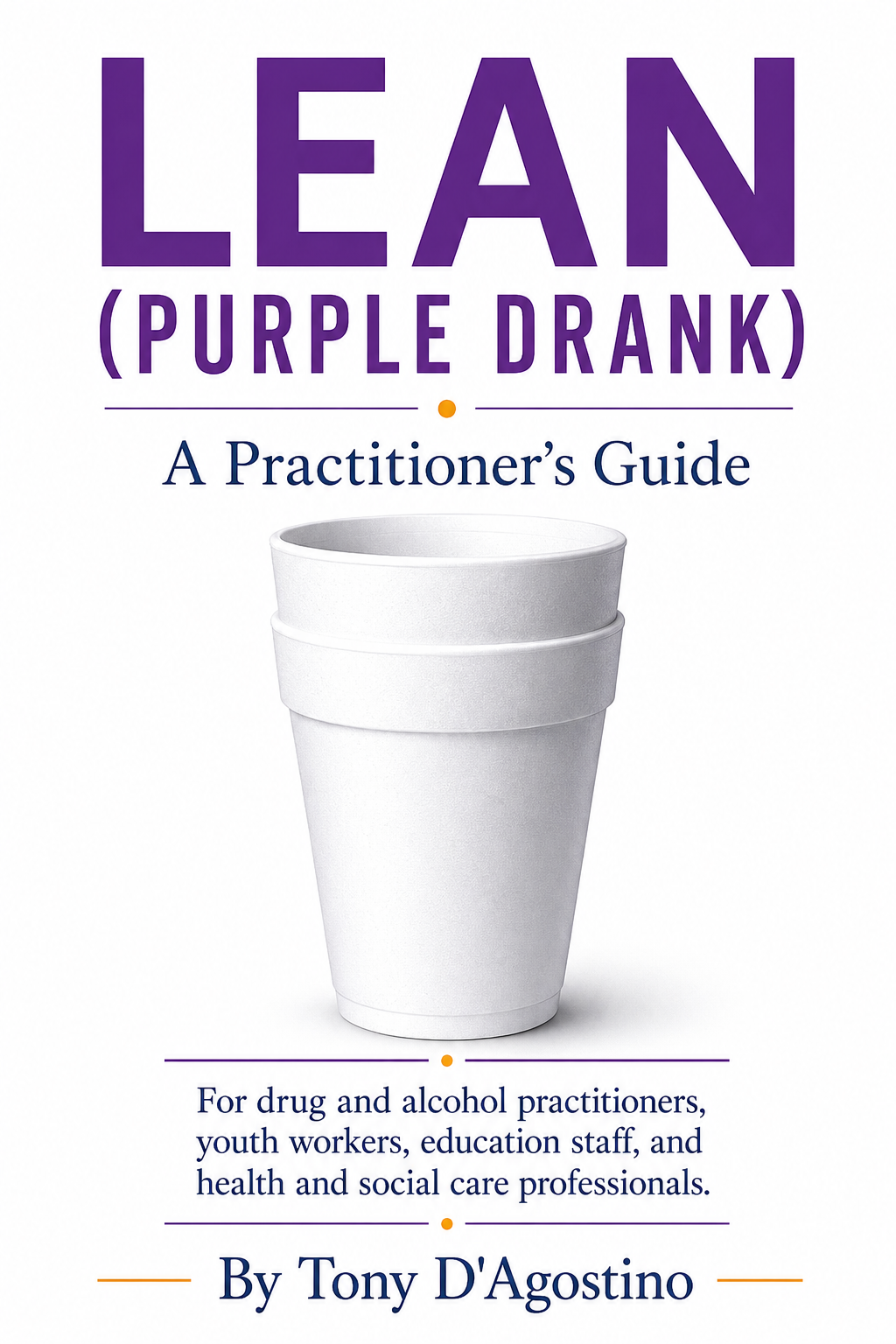
Professional depth
For practitioners needing deeper context on codeine-based mixtures, opioids, sedating antihistamines and harm reduction.
Buy on Amazon ↗