
Use before modern control
Plants, preparations and medicines entered societies through very different cultural and clinical routes.
Social history
Drugs have histories before they have headlines. Follow substances through medicine, trade, culture, prohibition, treatment and harm reduction — then connect those histories to today's risks.
A changing social system
Plants, preparations and medicines entered societies through very different cultural and clinical routes.
Extraction, synthesis, colonial commerce and pharmaceutical production altered availability and meaning.
International conventions and national laws grew alongside media narratives that did not affect all groups equally.
Needle programmes, naloxone, evidence-based treatment and drug checking challenged purely punitive responses.
Individual histories
Each history page marks established evidence, cautions where stories are contested, and links back to present-day drug information.
Fermentation, commerce, licensing, medicine and the changing place of alcohol in British life.
Read the history →From coca traditions to medical cocaine, global commodity markets, prohibition and contemporary supply.
Read the history →How a smokeable cocaine market acquired a distinct name, price structure and powerful political narrative.
Read the history →Fibre, medicine, culture, prohibition and the modern distinction between illicit cannabis and prescribed cannabis-based medicines.
Read the history →Medicine, empire, trade, pharmaceutical development and the long history of opioid control.
Read the history →Diamorphine's path from pharmaceutical product to a controlled medicine and illicit opioid market.
Read the history →From plant-derived opiates to medicines, heroin and highly potent synthetic opioids.
Read the history →Pharmaceutical stimulant, wartime and post-war use, prescribing controls and illicit markets.
Read the history →A potent stimulant shaped by pharmaceutical manufacture, conflict, changing markets and recurring media panic.
Read the history →An early pharmaceutical compound, later therapeutic interest, dance culture and Class A control.
Read the history →Anaesthetic medicine, veterinary and emergency use, club markets and new clinical research.
Read the history →From safer-seeming sedatives to dependence awareness, prescribing caution and illicit tablets.
Read the history →Traditional uses, twentieth-century research, prohibition, counterculture and renewed clinical study.
Read the history →Anaesthesia, entertainment, food propellant and the changing legal response to non-medical use.
Read the history →Research chemicals, rapidly changing retail products, prohibition and a persistent mismatch between branding and pharmacology.
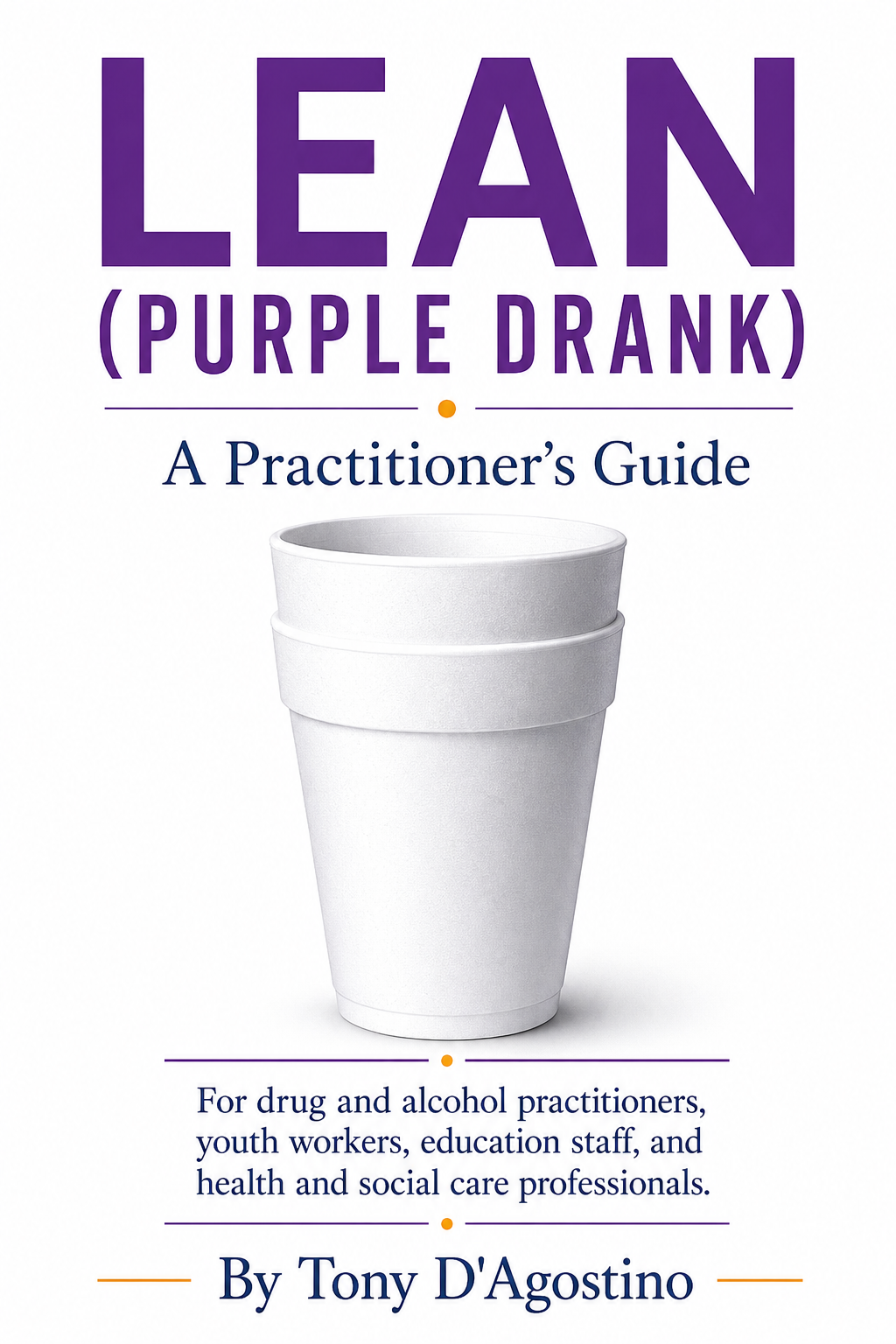
Read the history →Prescription cough syrups, US regional music culture, commercial imagery and global imitation.
Read the history →Mid-twentieth-century benzimidazole opioid research compounds re-emerging in twenty-first-century illicit markets.
Read the history →Drug controls have been shaped by evidence, politics, trade, colonial relationships, media narratives and social inequality. Describing that history does not require romanticising drug use or pretending every policy decision had the same intent or effect.
Criminalisation, stigma, treatment institutions, pharmaceutical markets and harm-reduction movements all leave institutional traces. Understanding them can explain why present-day harms are not produced by pharmacology alone.
History into practice
Explore the mixture’s medical roots, cultural history and present-day opioid and depressant risks in greater professional depth.
Buy on Amazon ↗