
Overview
What is Benzodiazepines?
Common and street names
benzos · diazepam · Valium · Xanax · street benzos
Drug category
Depressant / sedative
Forms and appearance
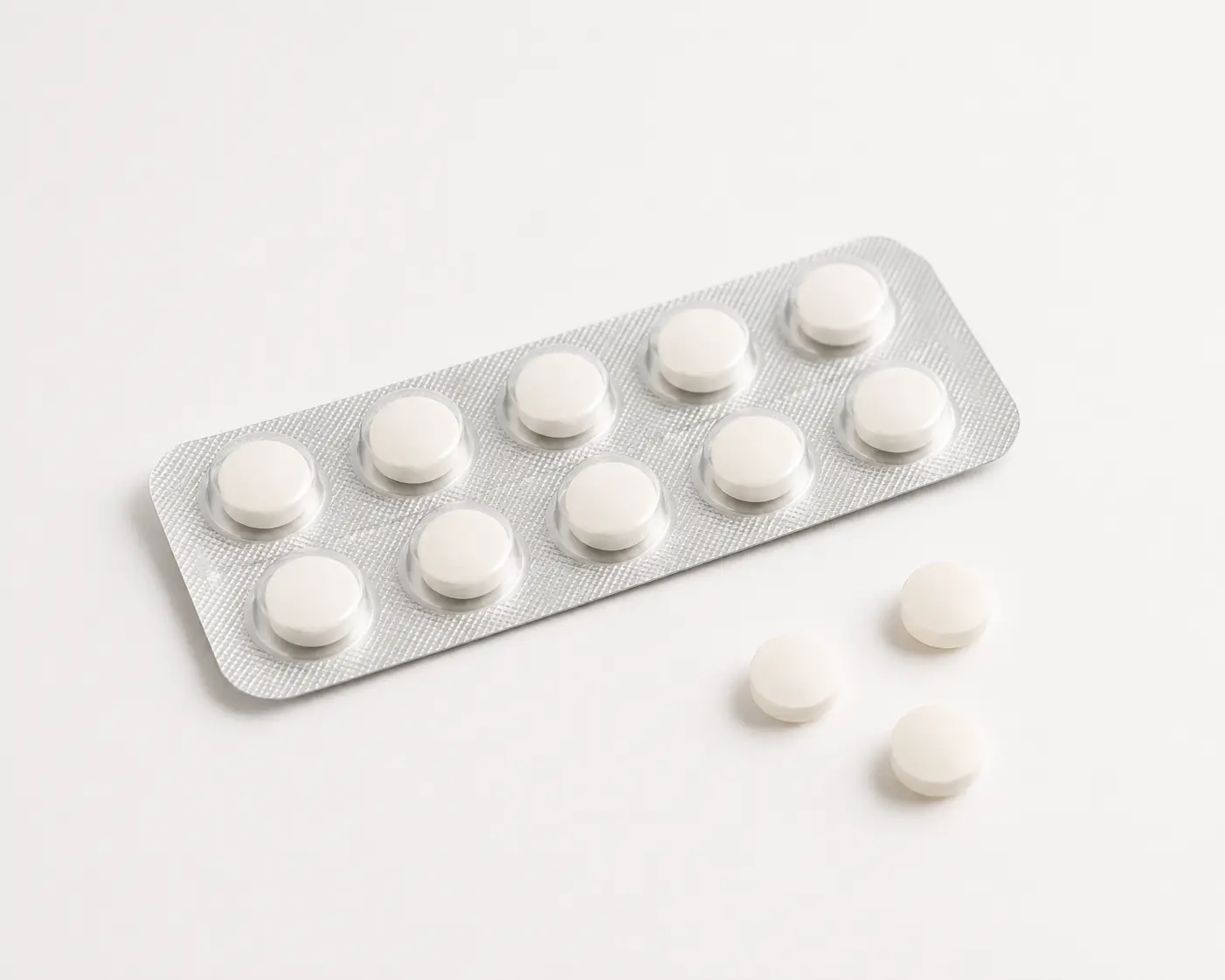
Prescribed medicines are produced as regulated tablets or liquids; illicit tablets can imitate familiar pharmaceutical branding without containing the expected drug or strength.
How it is commonly used
Usually swallowed as tablets. Counterfeit tablets create an additional problem: the apparent dose or medicine name may not match the contents.
Brain & body
How Benzodiazepines affects signalling and behaviour
Benzodiazepines enhance the effect of GABA at GABA-A receptors, reducing neuronal excitability. This can reduce anxiety and produce sedation, but also impairs memory, coordination and reaction time.
Explore reward, cues, craving, stress, tolerance and neuroplasticity without a simplistic “hijacked brain” model.
Effects & risks
What people may experience — and what can go wrong
Commonly reported effects
- Reduced anxiety
- Sedation and muscle relaxation
- Impaired coordination
- Memory impairment
Short-term risks
- Falls, accidents and blackouts
- Profound sedation when mixed with other depressants
- Reduced breathing risk rises sharply with opioids
- Unpredictable content in illicit tablets
Longer-term risks
- Tolerance and physical dependence
- Cognitive and memory problems
- Escalating or compulsive use
- Withdrawal complications after abrupt cessation
Mental-health effects
Short-term relief of anxiety can reinforce repeated use. Rebound anxiety and insomnia can occur between doses or during withdrawal, making it easy to interpret withdrawal as a return of the original problem.
Dependence, tolerance & withdrawal
Repeated use can change the pattern
Physical dependence can develop. Abrupt withdrawal after regular use can cause severe symptoms including seizures, so reduction should be planned with appropriate clinical support.
Mixing drugs
Interaction risks to know
Benzodiazepines + opioids: particularly high overdose risk.
Benzodiazepines + alcohol or GHB/GBL can cause profound sedation and loss of consciousness.
Other sedating medicines can increase impairment.
The absence of a recorded interaction does not mean that a combination is safe. Strength, dose, health, tolerance, contamination and other substances can alter risk.
Check another combinationHarm reduction
Practical ways to reduce risk
Avoid combining with opioids, alcohol, GHB/GBL or other sedatives.
Do not drive when impaired.
Treat illicit tablets as unknown-content products regardless of stamp or packaging.
If physically dependent, seek clinical help rather than stopping suddenly.
Harm reduction can reduce some risks; it cannot make an unregulated drug, dose or combination risk-free.
Emergency
When to call 999
- Cannot be woken
- Slow or abnormal breathing
- Seizure
- Severe confusion or injury
Treatment & support
Help does not require one fixed recovery goal
UK drug and alcohol services can assess physical health, mental health, dependence, risk, housing and support needs, then agree a plan with the person. Goals may include immediate harm reduction, stabilisation, reduction or stopping use.
Physical dependence can develop. Abrupt withdrawal after regular use can cause severe symptoms including seizures, so reduction should be planned with appropriate clinical support.
Brief history
How we got here
Benzodiazepines entered medicine in the mid-twentieth century and largely replaced barbiturates for several indications. Prescribing practice later became more cautious as tolerance, dependence and withdrawal were better recognised.
Read the history guideKey facts & misconceptions
Three useful corrections
A tablet stamped with a familiar medicine name is not proof of its contents.
Tolerance to feeling sleepy does not eliminate interaction risk.
Stopping suddenly after dependence can be dangerous.
Frequently asked questions
Quick answers
What type of drug is Benzodiazepines?
Benzodiazepines is described here as depressant / sedative. Some drugs cross categories, and mixtures may contain more than one drug type.
Can Benzodiazepines be identified by appearance?
No. Appearance, packaging, a logo or colour cannot reliably establish identity, strength or contamination.
When should I call 999?
Call 999 for a suspected drug emergency, including reduced consciousness, abnormal breathing, seizure, severe chest pain or severe confusion. Cannot be woken
Evidence & governance
Sources and review
Responsible organisation: TD Consultancy
Published: 5 August 2026 · Last reviewed: 5 August 2026
Next formal review: February 2027, or earlier if material safety or legal information changes.
Evidence on illicit drug composition and emerging markets can change quickly. Legal status can be compound- and preparation-specific. Links below are prioritised to current official UK guidance.