
Overview
What is MDMA?
Common and street names
ecstasy · Mandy · MD · molly
Drug category
Empathogen / stimulant
Forms and appearance
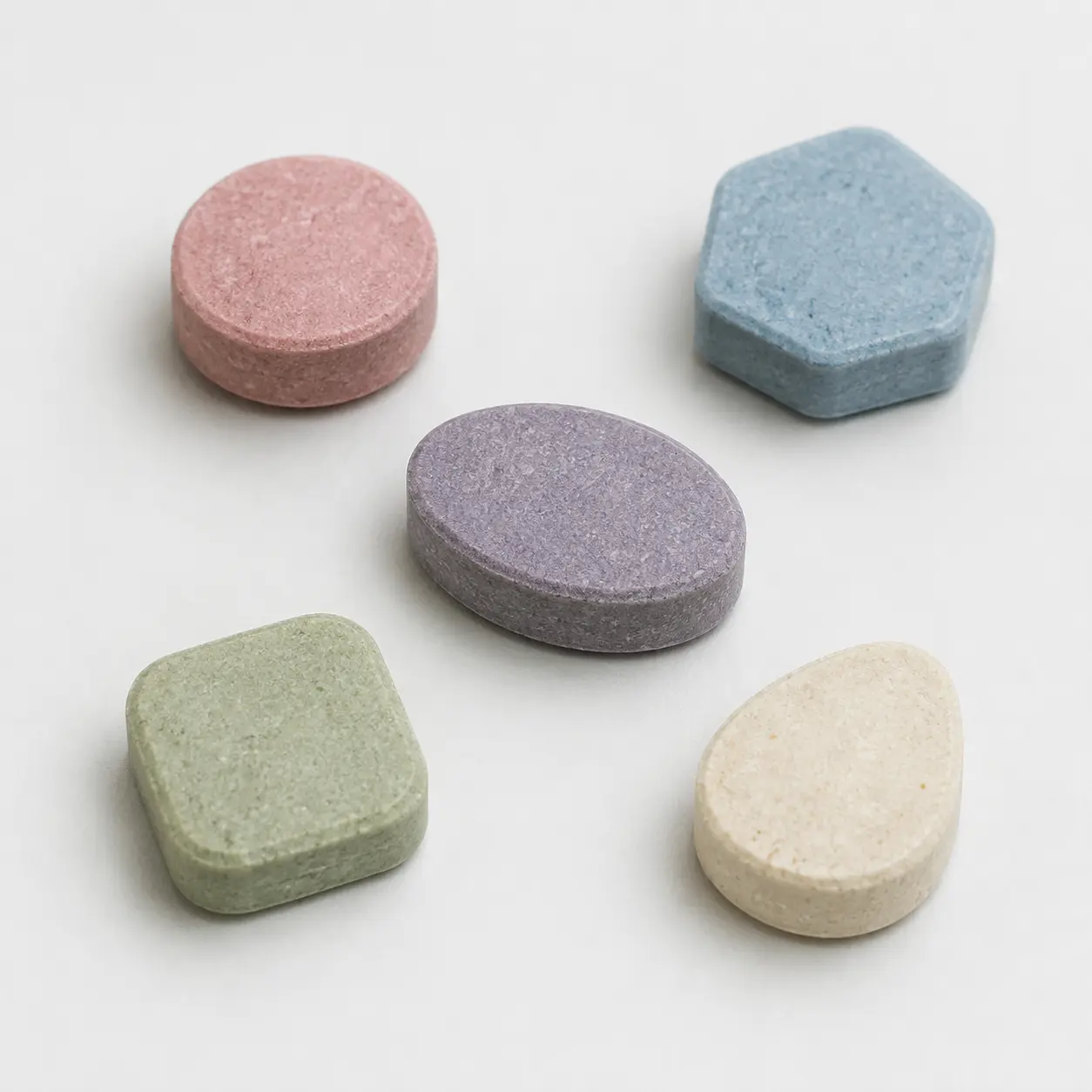
Usually sold as pressed tablets or crystals/powder. Tablet logos, shape and colour change frequently and do not identify contents or strength.
How it is commonly used
MDMA is most often swallowed as a tablet/capsule or powder/crystal. Products vary widely, and this guide does not provide dose targets.
Brain & body
How MDMA affects signalling and behaviour
MDMA increases signalling from serotonin, noradrenaline and dopamine, with serotonin especially prominent. These changes influence mood, social connection, arousal, temperature regulation and water balance.
Explore reward, cues, craving, stress, tolerance and neuroplasticity without a simplistic “hijacked brain” model.
Effects & risks
What people may experience — and what can go wrong
Commonly reported effects
- Increased energy
- Empathy or emotional closeness
- Heightened sensory experience
- Increased heart rate, temperature and jaw tension
Short-term risks
- Overheating
- Water/sodium imbalance
- Serotonin toxicity in some combinations
- Cardiovascular strain, panic or confusion
Longer-term risks
- Sleep and mood disruption after repeated use
- Escalating exposure as effects become less predictable
- Possible memory or concentration difficulties with heavy frequent use
- Harms shaped by adulterants or unexpected contents
Mental-health effects
MDMA can be followed by low mood, irritability or anxiety. Panic, confusion or severe agitation can occur during toxicity. Therapeutic research uses screened participants, controlled dosing and clinical supervision and should not be equated with non-medical use.
Dependence, tolerance & withdrawal
Repeated use can change the pattern
MDMA is not typically associated with the same physical withdrawal syndrome as alcohol or benzodiazepines, but repeated use, craving and problematic patterns can develop.
Mixing drugs
Interaction risks to know
MDMA + serotonergic medicines can raise serotonin-toxicity concerns; seek specialist medical advice rather than self-adjusting prescribed medicine.
MDMA + other stimulants increases cardiovascular and overheating strain.
MDMA + alcohol can worsen dehydration, impairment and cardiovascular load.
The absence of a recorded interaction does not mean that a combination is safe. Strength, dose, health, tolerance, contamination and other substances can alter risk.
Check another combinationHarm reduction
Practical ways to reduce risk
Do not use a pill logo or colour as a dose guide.
Avoid combining with other stimulants or serotonergic drugs.
Take regular breaks from heat and physical exertion.
If on prescribed medicine, do not stop or alter it to take MDMA without medical advice.
Harm reduction can reduce some risks; it cannot make an unregulated drug, dose or combination risk-free.
Emergency
When to call 999
- Very high temperature with confusion
- Seizure
- Collapse, chest pain or severe agitation
- Reduced consciousness
Treatment & support
Help does not require one fixed recovery goal
UK drug and alcohol services can assess physical health, mental health, dependence, risk, housing and support needs, then agree a plan with the person. Goals may include immediate harm reduction, stabilisation, reduction or stopping use.
MDMA is not typically associated with the same physical withdrawal syndrome as alcohol or benzodiazepines, but repeated use, craving and problematic patterns can develop.
Brief history
How we got here
MDMA was first synthesised in the early twentieth century and became associated with psychotherapy research before entering dance and club cultures. Criminalisation, changing purity, high-strength tablets and renewed therapeutic research have shaped its modern history.
Read the history guideKey facts & misconceptions
Three useful corrections
'Molly' or crystal appearance does not prove purity.
More water is not always safer; excessive water can also be dangerous.
Clinical MDMA research does not establish non-medical use as safe.
Frequently asked questions
Quick answers
What type of drug is MDMA?
MDMA is described here as empathogen / stimulant. Some drugs cross categories, and mixtures may contain more than one drug type.
Can MDMA be identified by appearance?
No. Appearance, packaging, a logo or colour cannot reliably establish identity, strength or contamination.
When should I call 999?
Call 999 for a suspected drug emergency, including reduced consciousness, abnormal breathing, seizure, severe chest pain or severe confusion. Very high temperature with confusion
Evidence & governance
Sources and review
Responsible organisation: TD Consultancy
Published: 5 August 2026 · Last reviewed: 5 August 2026
Next formal review: February 2027, or earlier if material safety or legal information changes.
Evidence on illicit drug composition and emerging markets can change quickly. Legal status can be compound- and preparation-specific. Links below are prioritised to current official UK guidance.