Overview
What is Cannabis?
Common and street names
weed · skunk · hash · resin · marijuana
Drug category
Cannabinoid
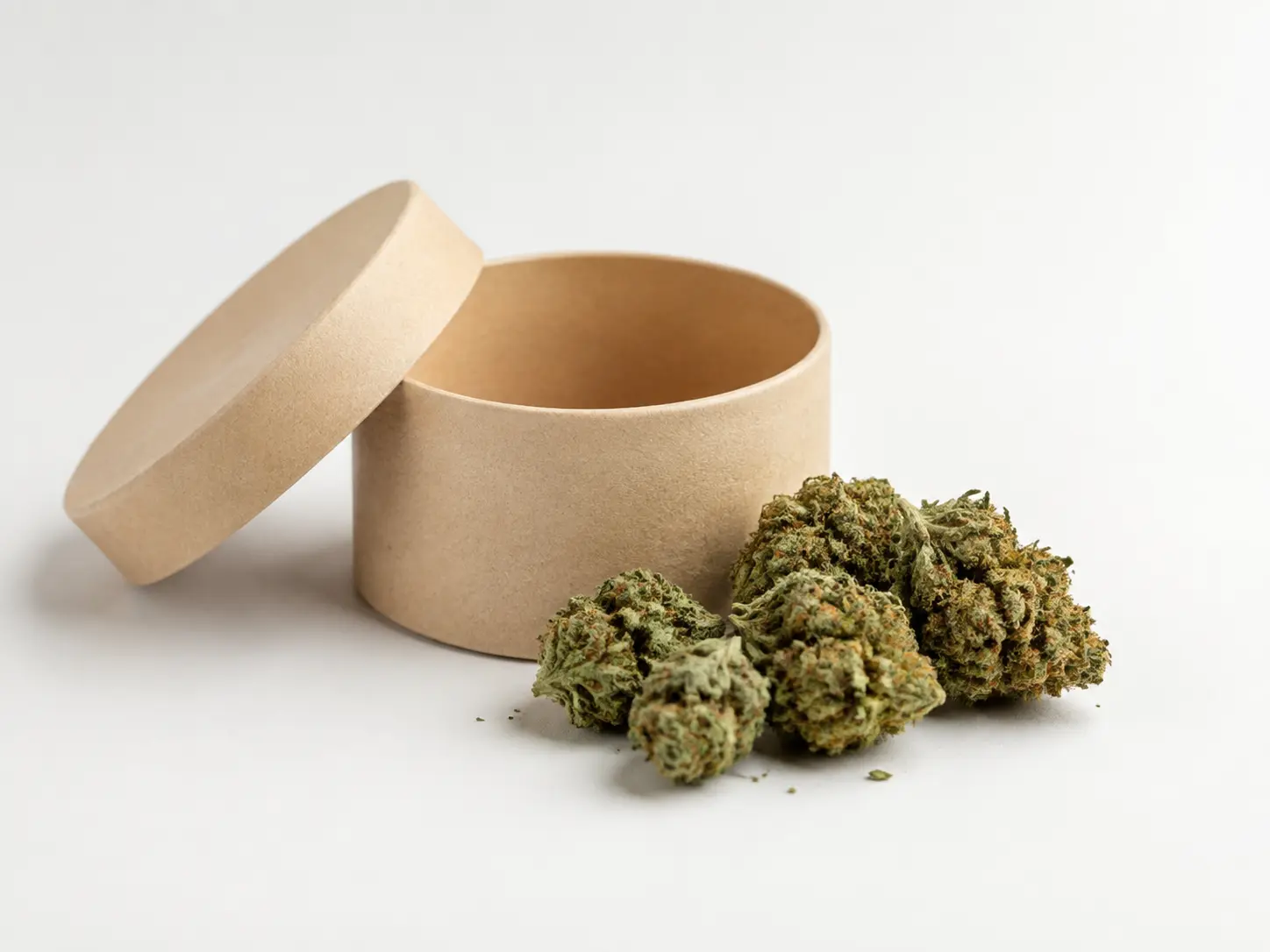
Forms and appearance
Dried flower, resin, oils, extracts, edibles and vape liquids are encountered. THC/CBD content and contamination cannot be inferred reliably from appearance.
How it is commonly used
Cannabis is commonly smoked, vaped or eaten. Oral products usually have a slower onset and longer duration than inhaled cannabis, increasing the risk of taking more before effects are clear.
Brain & body
How Cannabis affects signalling and behaviour
THC acts mainly at CB1 cannabinoid receptors, altering signalling involved in memory, attention, movement, appetite and reward. The endocannabinoid system normally helps regulate signalling across many brain networks.
Explore reward, cues, craving, stress, tolerance and neuroplasticity without a simplistic “hijacked brain” model.
Effects & risks
What people may experience — and what can go wrong
Commonly reported effects
- Relaxation or altered perception
- Changes in time perception and attention
- Increased appetite
- Impaired short-term memory and coordination
Short-term risks
- Anxiety or panic
- Impaired driving and coordination
- Paranoia or psychotic symptoms
- Unpleasant effects after delayed-onset edible use
Longer-term risks
- Cannabis use disorder
- Respiratory harm when smoked
- Memory and concentration problems for some frequent users
- Cannabinoid hyperemesis syndrome in some long-term frequent users
Mental-health effects
Cannabis can worsen anxiety or paranoia in some people. Frequent use of high-THC cannabis is associated with greater psychosis risk, especially in people with other vulnerabilities; association does not mean every person who uses cannabis will develop psychosis.
Dependence, tolerance & withdrawal
Repeated use can change the pattern
Dependence can occur. Withdrawal may include irritability, sleep disturbance, low appetite, restlessness and craving, usually beginning after regular use stops.
Mixing drugs
Interaction risks to know
Cannabis + alcohol can increase impairment and nausea.
Cannabis + sedating medicines can increase drowsiness and impairment.
Unknown vape or edible products may contain other cannabinoids or substances.
The absence of a recorded interaction does not mean that a combination is safe. Strength, dose, health, tolerance, contamination and other substances can alter risk.
Check another combinationHarm reduction
Practical ways to reduce risk
Avoid driving or operating machinery while impaired.
Lower-THC products and less frequent use generally reduce exposure.
Avoid mixing with tobacco where possible.
Treat unverified vapes and edibles as unpredictable rather than assuming the label is accurate.
Harm reduction can reduce some risks; it cannot make an unregulated drug, dose or combination risk-free.
Emergency
When to call 999
- Severe confusion or psychosis with immediate risk
- Chest pain or collapse
- Repeated vomiting with dehydration
- Reduced consciousness, especially if other substances may be involved
Treatment & support
Help does not require one fixed recovery goal
UK drug and alcohol services can assess physical health, mental health, dependence, risk, housing and support needs, then agree a plan with the person. Goals may include immediate harm reduction, stabilisation, reduction or stopping use.
Dependence can occur. Withdrawal may include irritability, sleep disturbance, low appetite, restlessness and craving, usually beginning after regular use stops.
Brief history
How we got here
Cannabis has a long history of fibre, medicinal, ritual and psychoactive use. Twentieth-century prohibition was followed by renewed cannabinoid research and, in the UK, tightly controlled access to defined cannabis-based medicines.
Read the history guideKey facts & misconceptions
Three useful corrections
'Natural' does not mean risk-free.
Sativa/indica labels do not reliably predict an individual effect.
Medicinal cannabis regulation does not make illicit products equivalent to prescribed products.
Frequently asked questions
Quick answers
What type of drug is Cannabis?
Cannabis is described here as cannabinoid. Some drugs cross categories, and mixtures may contain more than one drug type.
Can Cannabis be identified by appearance?
No. Appearance, packaging, a logo or colour cannot reliably establish identity, strength or contamination.
When should I call 999?
Call 999 for a suspected drug emergency, including reduced consciousness, abnormal breathing, seizure, severe chest pain or severe confusion. Severe confusion or psychosis with immediate risk
Evidence & governance
Sources and review
Responsible organisation: TD Consultancy
Published: 5 August 2026 · Last reviewed: 5 August 2026
Next formal review: February 2027, or earlier if material safety or legal information changes.
Evidence on illicit drug composition and emerging markets can change quickly. Legal status can be compound- and preparation-specific. Links below are prioritised to current official UK guidance.